
Create tailored campaigns, track performance, and make informed decisions with AI-driven analytics.

RAx
$3/mStarting price
0Popularity
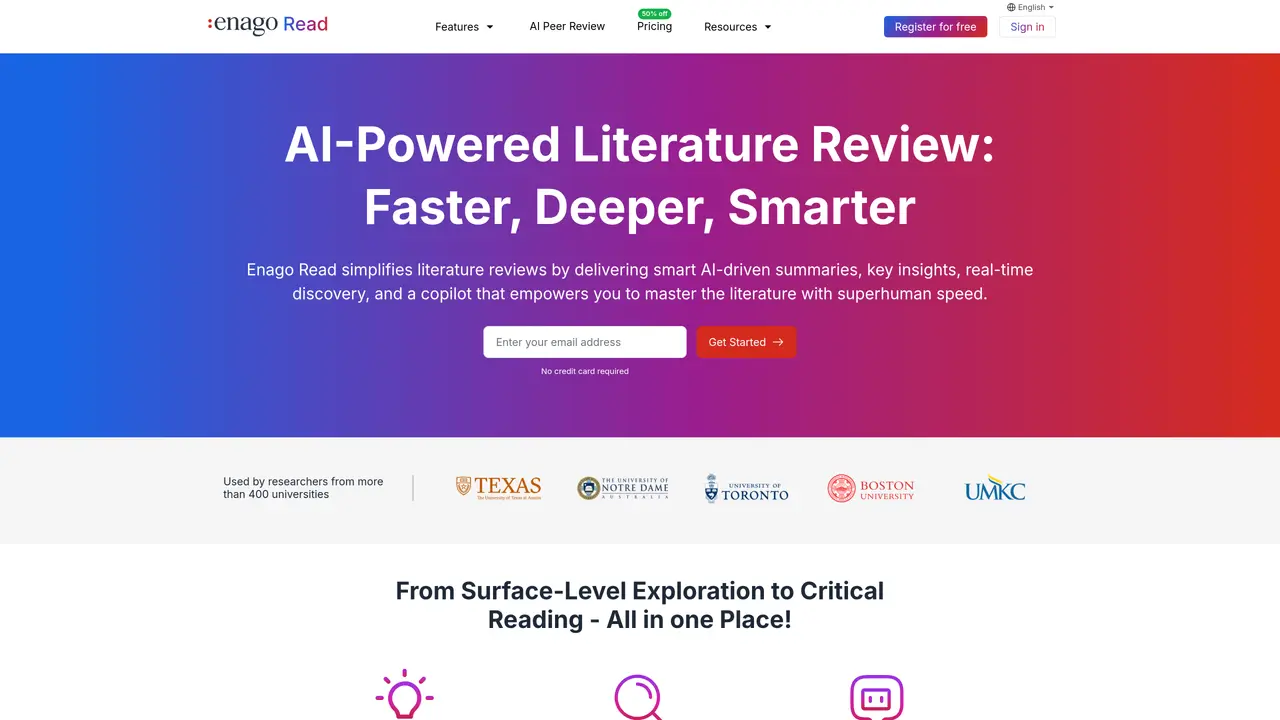
About RAx
RAx is a comprehensive, cloud-based platform that provides small businesses with the tools and resources they need to grow. It helps businesses better understand their customer base, build relationships, and maximize their sales.With RAx, businesses can gain insight into customer behavior through detailed analytics, customize their customer engagement strategies to fit their target audience, and track their sales performance. RAx also provides a powerful suite of marketing tools, including email campaigns, automated promotions, and targeted ads. Each tool is easy to use and designed to help businesses increase their customer base, reach their customer goals, and boost their bottom line.The platform is secure, reliable, and accessible from anywhere. Plus, it offers a comprehensive suite of customer support, from live chat to phone support, so businesses can get the help they need no matter what. With RAx, small businesses can maximize their sales, build long-lasting relationships with customers, and achieve their business goals.
Key features
- Monitor customer behavior with detailed analytics
- Customize customer engagement strategies
- Track sales performance with powerful marketing tools
- Email campaigns
- Automated promotions
- Targeted ads
Use cases
- Small businesses can use RAx to gain insight into their customer base and build long-lasting relationships.
- RAx helps businesses maximize their sales and reach their customer goals.
- The platform provides a comprehensive suite of marketing tools for small businesses.
Pros
- AI-powered summarization and key insights extraction for faster literature review
- Real-time AI copilot for interactive questioning and deeper understanding of research papers
- Access to a 200 million+ database for discovering related literature across repositories
- Organizes literature, notes, and references in one centralized platform
- Supports distraction-free reading, highlighting, and note-taking features
Cons
- Limited to academic and research-focused use cases
- May require familiarity with research workflows for optimal utilization
- Dependent on the quality and availability of input research papers
Frequently asked questions about RAx
What is RAx (Enago Read) and who is it designed for?
RAx, now rebranded as Enago Read, is an AI-powered research and literature review tool designed for researchers, graduate students, and academics. It helps users efficiently explore, summarize, and analyze academic papers to streamline the literature review process.
How does Enago Read help with literature reviews?
Enago Read provides AI-driven features such as smart summaries, key insights extraction, real-time discovery of related literature, and an AI copilot for answering questions about research papers. These tools help users quickly understand complex research and focus on relevant content.
Does Enago Read offer any tools for organizing research?
Yes, Enago Read includes features for organizing literature, such as a distraction-free reading mode, highlighting, note-taking, quick access to references, and paper recommendations. It also offers a critique template to assist with structured reviews.
Can Enago Read discover literature from external databases?
Enago Read can discover related literature from a database of over 200 million papers and works across global repositories, helping users uncover relevant research they may not have found otherwise.
Is there a free version of Enago Read available?
Enago Read offers a free registration option, allowing users to access basic features without requiring a credit card. Additional capabilities may be available depending on the licensing and pricing tier chosen.
What kind of support does Enago Read provide for researchers?
Enago Read is designed to support researchers at different stages of their projects, from initial exploration to critical review and writing. It adapts to user needs by curating content and providing tools tailored to each phase of research.