
OpenAI builds and deploys advanced AI models like GPT-4o for autonomous agents and workflows.

Air AI
$6.60Starting price
23KMonthly visits
23Popularity
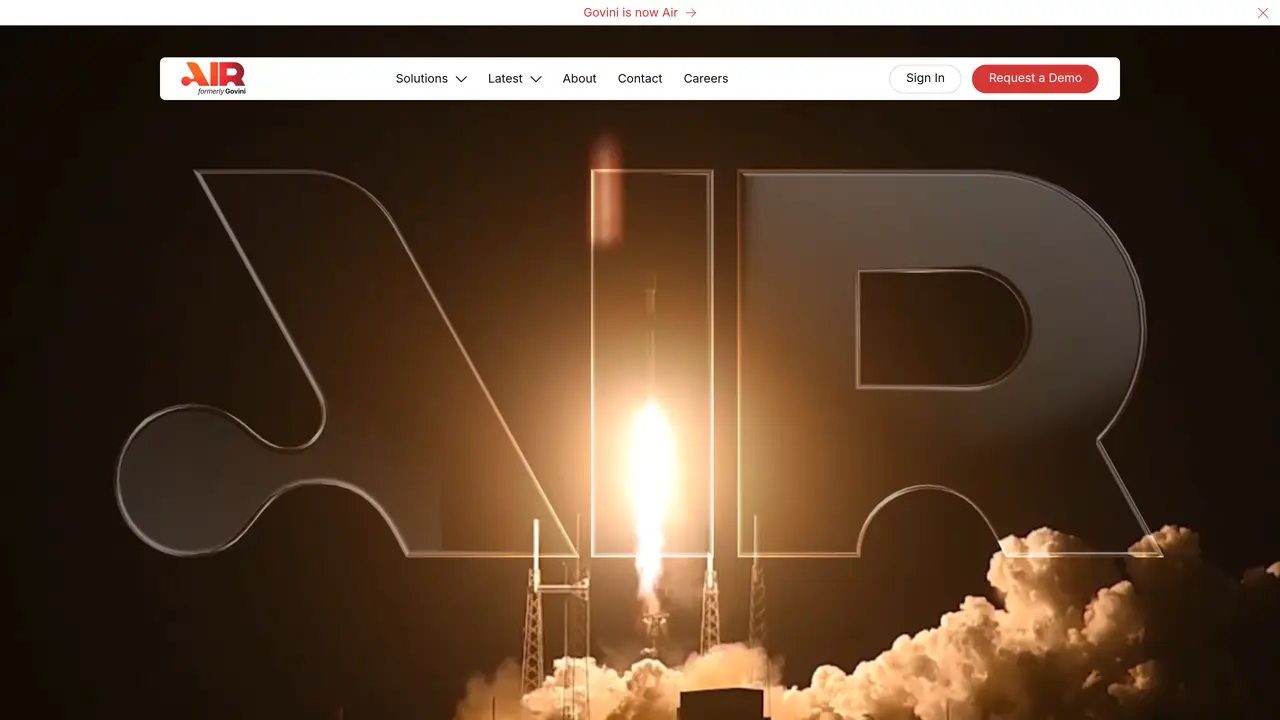
About Air AI
Air AI is an AI sales agent designed to handle outbound and inbound sales calls with human-like conversational abilities. It engages in extended phone interactions lasting between 10 and 40 minutes, simulating natural dialogue to qualify leads, schedule meetings, and follow up with prospects. The platform integrates with calendar systems to automate appointment setting and can be customized with tailored scripts to align with brand messaging and sales objectives. Air AI is primarily used by sales teams, customer support departments, and sales managers to automate repetitive calling tasks, reduce manual outreach, and scale lead generation efforts. Its realistic voice and adaptive responses aim to mimic human interaction, improving engagement rates compared to traditional automated systems. The tool is particularly suited for businesses seeking to optimize sales workflows without increasing headcount or sacrificing conversation quality.
Key features
- Automated outbound and inbound sales calls
- Human-like voice with natural conversation flow
- Customizable call scripts and responses
- Calendar integration for meeting scheduling
- Extended call durations (10-40 minutes)
- Prospect qualification and lead scoring
- Multi-turn dialogue handling
- Brand-aligned messaging customization
Use cases
- Automate cold calling campaigns for sales teams
- Handle customer service inquiries and follow-ups
- Schedule meetings and qualify leads autonomously
Pros
- Enables continuous readiness through a unified platform integrating commercial and operational data
- Provides adaptive workflows and AI-driven orchestration for proactive issue forecasting and resource alignment
- Accelerates materiel release and vendor due diligence processes significantly
- Reduces part identification time and critical part wait times, improving equipment readiness
- Supports mission-critical asset production and fleet readiness through rapid data-driven interventions
Cons
- Focused primarily on defense and enterprise readiness, limiting applicability to general sales or customer support use cases
- Implementation may require significant integration with existing enterprise systems and operational environments
- Complexity of the platform could pose challenges for smaller organizations without dedicated technical resources
Frequently asked questions about Air AI
What does Air AI do?
Air AI is an enterprise readiness platform designed to bridge the gap between frontline operational needs and enterprise capabilities. It uses AI-native systems to integrate data, orchestrate workflows, and execute tasks across acquisition, supply chain, maintenance, and logistics.
Who is Air AI suited for?
The platform is primarily suited for defense and dual-use technology sectors, including government agencies, defense contractors, and enterprises requiring real-time operational readiness and resource coordination.
How does Air AI work?
Air AI operates through three layers: Activation, which integrates data from commercial and operational systems; Orchestration, which transforms data into adaptive workflows and AI-driven recommendations; and Execution, which delivers outcomes through curated centers optimized for readiness.
What are the key features of Air AI?
Key features include a continuous readiness platform, adaptive workflows, AI-driven forecasting, resource alignment, and execution centers tailored for enterprise outcomes across teams and systems.
Does Air AI integrate with other systems?
Yes, Air AI integrates information across commercial data, enterprise systems, and operational environments to create a unified readiness graph, enabling seamless coordination and data-driven decision-making.
How can I get started with Air AI?
Prospective users can request a demo through the Air AI website to see the platform in action and discuss how it can address their specific readiness challenges.
Air AI Website Engagement
Last Update: 9 days ago
Total Monthly Visits
0
Bounce Rate
0%
Visit Duration (avg)
0.00s
Pages Per Visit
0
Country Rank
0
United States
Global Rank
0
Category Rank
#0
Graphics Multimedia & Web Design
Monthly Traffic
Traffic Sources
Traffic Share By Country
- United States96.2%
- Germany2.2%
- France0.9%
- India0.8%