Meshy turns text prompts or images into fully textured 3D models in minutes.

InHEART
$1Starting price
4.4KMonthly visits
11Popularity
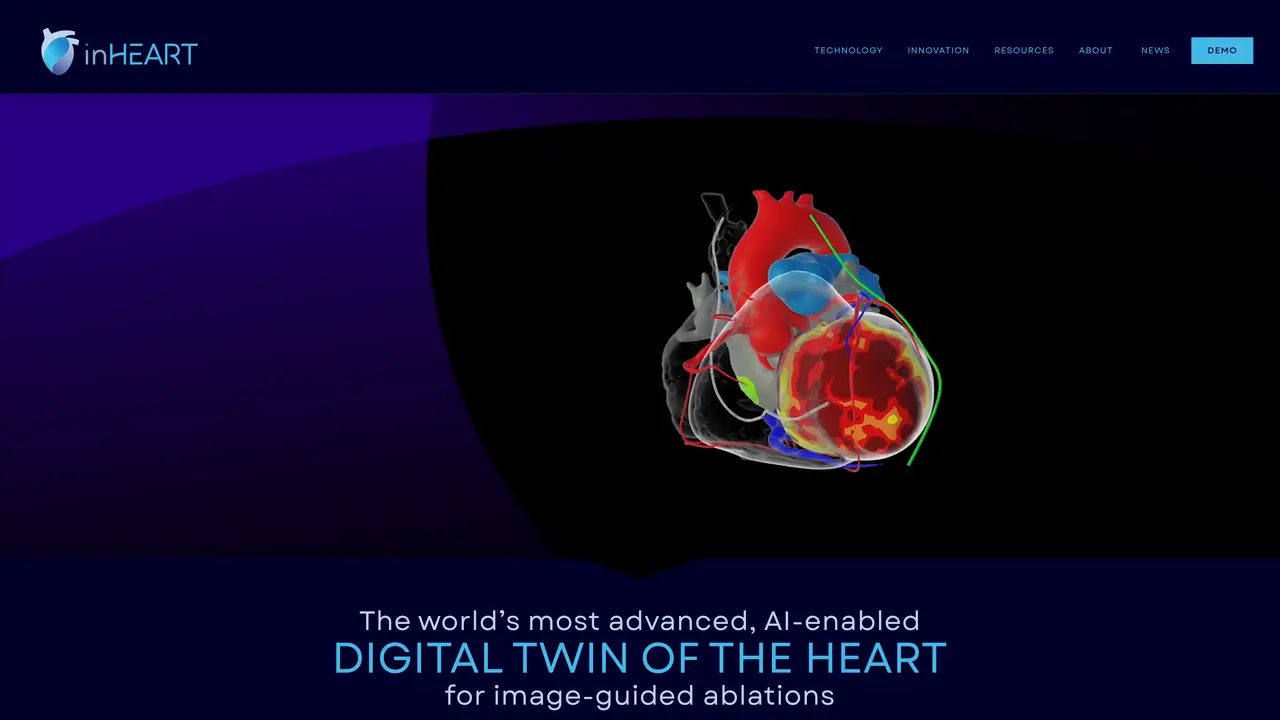
About InHEART
InHEART creates AI-driven digital twins of the heart from CT and MR images, providing healthcare professionals with highly detailed 3D anatomical models. Designed primarily for cardiac electrophysiologists and cardiology departments, the tool enables personalized treatment strategies for conditions such as arrhythmias by identifying arrhythmogenic areas in scar tissue. It integrates seamlessly with existing electroanatomic mapping systems, reducing procedure times and improving treatment success rates. The platform supports data-driven decision-making, allowing physicians to plan and execute interventions with greater precision and efficiency. InHEART is also used in academic medical centers for research and training, as well as in telemedicine for remote diagnosis and treatment planning. Its cloud-based architecture ensures accessibility and scalability across healthcare systems, making it a specialized yet versatile solution for advanced cardiac care.
Key features
- Generates detailed 3D cardiac models from CT and MR images
- Provides AI-driven anatomical insights for personalized treatment planning
- Optimizes electrophysiology workflows with precise arrhythmia targeting
- Reduces procedure times and improves treatment success rates
- Seamless integration with major electroanatomic mapping systems
- Cloud-based platform for remote access and scalability
- Data-driven decision support for physicians
- Compatible with hospital information systems for comprehensive analysis
- User-friendly interface designed for healthcare professionals
- Supports telemedicine and medical education applications
Use cases
- Cardiac electrophysiologists planning and executing ablation procedures
- Cardiology departments using 3D modeling for advanced procedural planning
- Academic medical centers for research and training in cardiac care technologies
Pros
- AI-driven 3D digital twins of the heart from CT and MR images for detailed anatomical visualization
- Seamless integration with electroanatomic mapping systems (EAM) for real-time procedural use
- Documented reduction in procedure times and improved ablation success rates in clinical studies
- Supports advanced cardiac care in hospitals, research centers, and telemedicine settings
- Proprietary segmentation algorithm enables precise identification of arrhythmogenic scar tissue
Cons
- Requires high-quality CT or MR imaging inputs for accurate model generation
- Dependence on specialized hardware and software integration may limit accessibility in some clinical settings
- Learning curve for clinicians to interpret and utilize 3D digital twin data effectively during procedures
InHEART videos
Frequently asked questions about InHEART
What is InHEART and what does it do?
InHEART creates AI-driven digital twins of the heart from CT and MR images, providing highly detailed 3D anatomical models for healthcare professionals. It enables personalized treatment strategies for conditions such as arrhythmias by identifying arrhythmogenic areas in scar tissue.
Who is InHEART designed for?
The tool is designed primarily for cardiac electrophysiologists and cardiology departments, as well as academic medical centers for research and training. It is also used in telemedicine for remote diagnosis and treatment planning.
How does InHEART integrate with existing systems?
InHEART integrates seamlessly with existing electroanatomic mapping systems, allowing physicians to use the 3D models during procedures. It is compatible with all major EAM systems.
What are the typical use cases for InHEART?
InHEART is typically used for planning and executing interventions with greater precision, optimizing ventricular tachycardia ablation strategies, and supporting research and training in academic medical centers.
How can I get started with InHEART?
Prospective users can request a demo or contact InHEART directly through their website to explore how the platform can be integrated into their workflows.
Does InHEART support remote diagnosis and treatment planning?
Yes, InHEART is used in telemedicine for remote diagnosis and treatment planning, allowing physicians to share detailed 3D models with colleagues across different locations.
InHEART Website Engagement
Last Update: 9 days ago
Total Monthly Visits
0
Bounce Rate
0%
Visit Duration (avg)
0.00s
Pages Per Visit
0
Country Rank
0
Egypt
Global Rank
0
Monthly Traffic
Traffic Sources
Traffic Share By Country
- France100%