
Enhance learning with AI-driven flashcards, tests, and games.

Cognii
5KMonthly visits
12Popularity
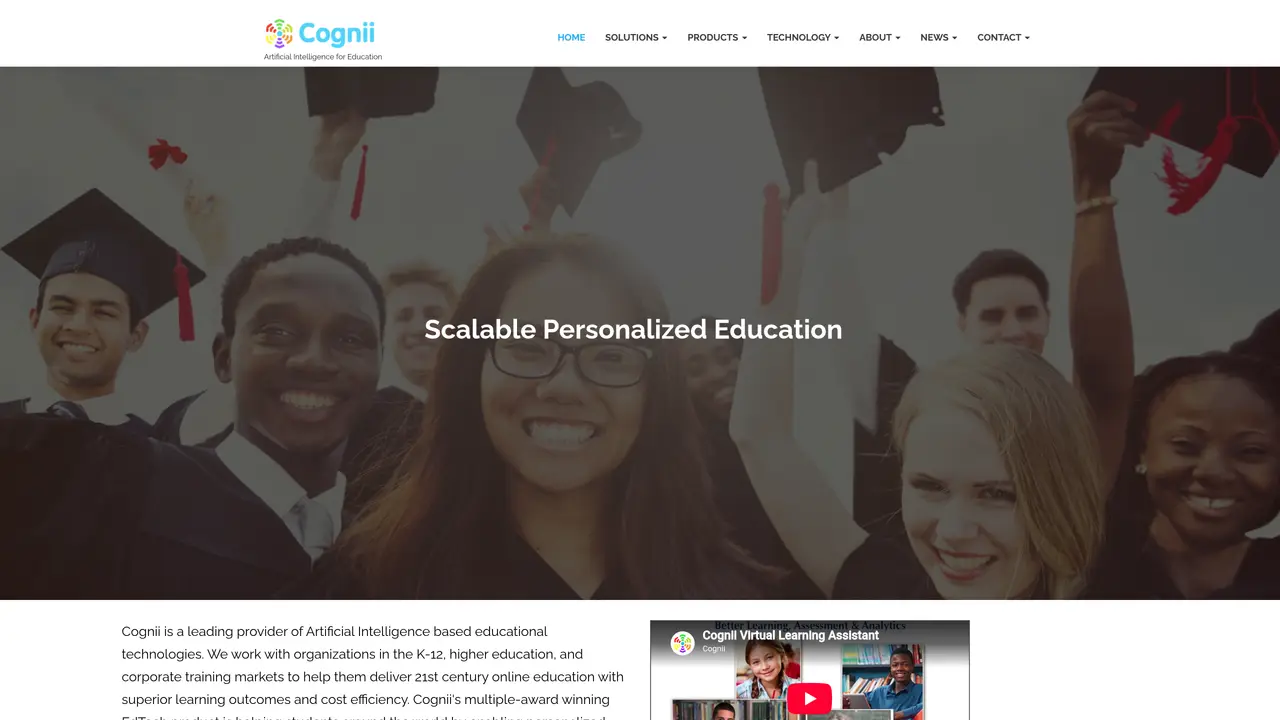
About Cognii
Cognii is an AI-powered technology that helps to create engaging and interactive learning experiences. It provides a personalized, adaptive learning platform that allows users to interact with virtual agents who can deliver interactive lessons, assessments, and simulations. The platform utilizes natural language processing to provide an immersive and engaging experience for learners. With Cognii, users can learn at their own pace and easily access personalized content tailored to their needs. The platform also provides detailed analytics, so users can track their progress and understand where they need improvement. With its advanced AI technology, Cognii provides a smarter, more efficient way to learn, giving users the skills and confidence they need to succeed. Cognii is suitable for educational institutions and individuals looking to enhance their learning experience. It can be used in various settings, including classrooms, online courses, and self-study programs. The platform’s adaptability allows it to cater to different age groups and learning styles.
Key features
- Personalized adaptive lessons
- Immersive learning experiences
- Detailed progress tracking
- Natural language processing
- Interactive lessons and assessments
- Simulations for hands-on learning
Use cases
- Enhancing classroom learning experience with interactive virtual agents
- Providing personalized learning paths for students in online courses
- Supporting self-study programs with adaptive learning content
Pros
- Enables personalized deeper learning through conversational AI tutoring
- Supports open-response assessments to evaluate critical thinking beyond multiple-choice questions
- Provides real-time formative feedback and analytics for both students and educators
- Reduces grading burden for instructors while improving student outcomes
- Offers scalable solutions for K-12, higher education, and corporate training sectors
Cons
- Requires internet access and modern browser for optimal performance
- Dependent on AI accuracy for open-response assessments, which may vary by subject complexity
- Implementation may require initial setup and integration with existing learning management systems
Cognii videos
Frequently asked questions about Cognii
What is Cognii and what does it do?
Cognii is an AI-powered educational technology platform designed to enhance learning outcomes through personalized, adaptive experiences. It enables students to engage in conversational learning with virtual assistants, receive real-time feedback, and practice until mastery is achieved.
Who is Cognii suitable for?
Cognii serves K-12 and higher education institutions, as well as corporate training programs. It supports learners of all ages and educators seeking to reduce grading burdens while gaining deeper insights into student performance.
How does Cognii assess learning?
Cognii uses open-response assessments where students construct answers in their own words, allowing for critical thinking and deeper learning. The platform provides immediate formative feedback and analytics to track progress and identify areas for improvement.
Can Cognii integrate with existing learning management systems?
Yes, Cognii offers integration options to work alongside existing educational platforms and tools, enabling seamless adoption within current workflows.
What are the key benefits of using Cognii for educators?
Educators benefit from reduced grading workloads, detailed analytics on student performance, and the ability to personalize instruction. The platform also supports summative test preparation and improves student engagement and retention.
How do students interact with Cognii?
Students engage in chatbot-style conversations with Cognii’s Virtual Learning Assistant, which prompts them to construct answers, provides tutoring hints, and guides them toward mastery through multiple attempts and coaching.
Cognii Website Engagement
Last Update: 9 days ago
Total Monthly Visits
0
Bounce Rate
0%
Visit Duration (avg)
0.00s
Pages Per Visit
0
Country Rank
0
India
Global Rank
0
Category Rank
#0
Universities & Colleges
Monthly Traffic
Traffic Sources
Traffic Share By Country
- India52.3%
- United States47.7%