
OpenAI builds and deploys advanced AI models like GPT-4o for autonomous agents and workflows.

Starship
$50Starting price
38KMonthly visits
26Popularity
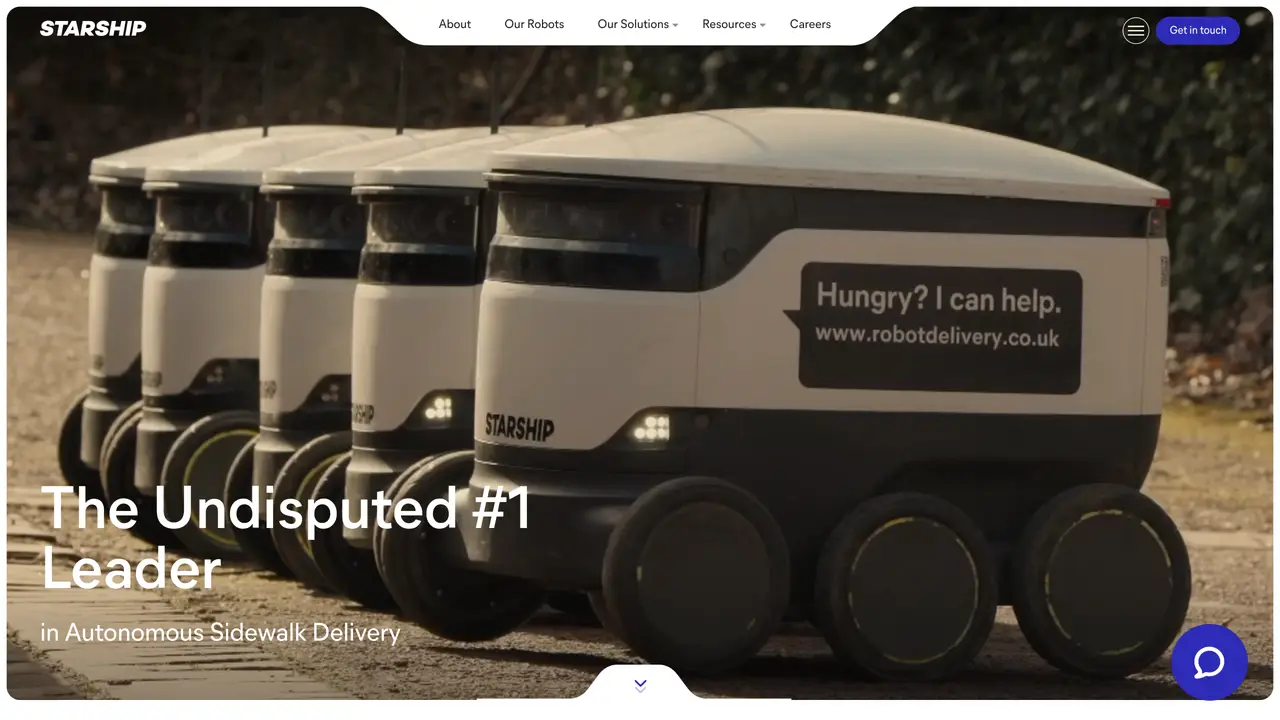
About Starship
Starship Technologies builds autonomous sidewalk delivery robots designed for low-emission last-mile logistics. These robots navigate sidewalks, crossings, and pedestrian environments using sensors, cameras, radars, and machine learning to safely deliver groceries, hot food, packages, and industrial supplies. The platform supports secure customer pickup through locked cargo compartments accessible via smartphone, enabling businesses to automate short-distance deliveries while reducing reliance on car-based trips. Starship’s robots operate with Level 4 autonomy, making them suitable for campuses, grocery retailers, restaurants, delivery platforms, industrial sites, and smart city networks. The system integrates with delivery apps and local logistics workflows to streamline order fulfillment and improve local delivery efficiency. Businesses can evaluate route distance, sidewalk suitability, safety requirements, and delivery economics before deploying the robots in their operations.
Key features
- Autonomous navigation in real-world pedestrian environments
- Level 4 autonomy with sensors, cameras, and machine learning
- Secure smartphone-controlled cargo compartments for pickup
- Battery-powered zero-emission robot logistics
- Integration with delivery apps and campus programs
- Support for groceries, food, packages, and industrial supplies
- Route planning and real-time obstacle avoidance
- Scalable for campuses, retailers, and industrial sites
Use cases
- Automate short-distance grocery and food delivery on campuses
- Replace car-based last-mile trips with sustainable robot logistics
- Support industrial site supply deliveries with autonomous navigation
Pros
- Operates at Level 4 autonomy, enabling safe navigation in complex pedestrian environments
- Completed over 10 million deliveries across 300+ cities and industrial sites globally
- Supports multiple delivery types including groceries, hot food, packages, and industrial supplies
- Integrates with delivery apps and local logistics workflows for streamlined order fulfillment
- Reduces reliance on car-based trips, contributing to lower emissions and sustainable logistics
Cons
- Limited to sidewalk and pedestrian environments, restricting use in areas without suitable infrastructure
- Requires initial assessment of route distance, sidewalk suitability, and safety requirements before deployment
- Dependent on local regulations and community acceptance for widespread adoption
Frequently asked questions about Starship
What does Starship Technologies do?
Starship Technologies builds and operates autonomous sidewalk delivery robots designed for low-emission last-mile logistics. The robots navigate sidewalks, crossings, and pedestrian environments to deliver groceries, hot food, packages, and industrial supplies.
Who is Starship suitable for?
Starship is suitable for grocery retailers, delivery apps, industrial sites, campuses, and smart city networks looking to automate short-distance deliveries and improve local delivery efficiency.
How does Starship integrate with existing systems?
Starship integrates with delivery apps and local logistics workflows to streamline order fulfillment. Businesses can evaluate route suitability and delivery economics before deploying the robots in their operations.
What are the main limitations of Starship?
Starship robots are limited to sidewalk and pedestrian environments, requiring suitable infrastructure. Deployment also depends on local regulations and community acceptance.
How do I get started with Starship?
Businesses can contact Starship to evaluate route distance, sidewalk suitability, safety requirements, and delivery economics before deploying the robots in their operations.
What types of deliveries can Starship handle?
Starship robots can deliver groceries, hot food, packages, and industrial supplies using a combination of radars, cameras, sensors, and machine learning for navigation.
Starship Website Engagement
Last Update: 10 days ago
Total Monthly Visits
0
Bounce Rate
0%
Visit Duration (avg)
0.00s
Pages Per Visit
0
Country Rank
0
United States
Global Rank
0
Category Rank
#0
Business Services
Monthly Traffic
Traffic Sources
Traffic Share By Country
- United States36.5%
- Germany23.7%
- United Kingdom11.8%
- Vietnam4.6%
- Italy4.1%