Automate complex processes, leverage real-time analytics, customize workflow with powerful tools.

Serve Robotics
47KMonthly visits
28Popularity
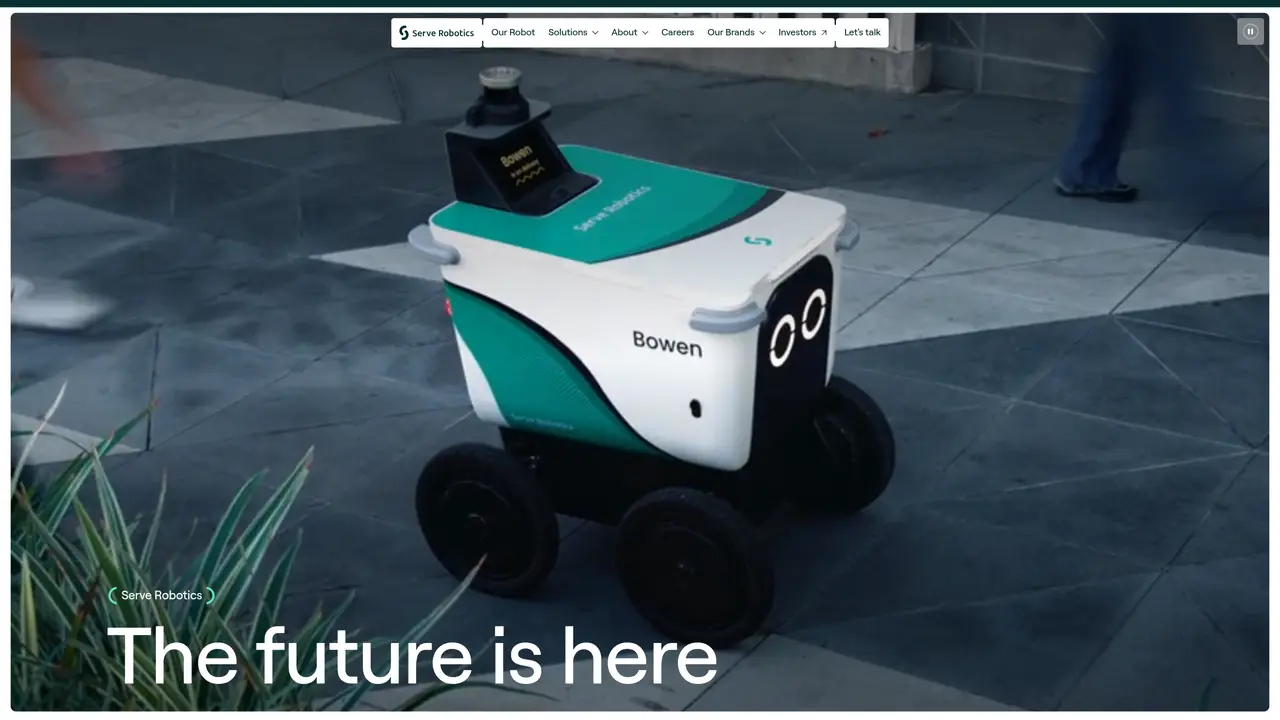
About Serve Robotics
Serve Robotics builds autonomous sidewalk delivery robots powered by AI, cameras, and sensors to complete short-distance deliveries in urban pedestrian environments. The robots navigate sidewalks, intersections, and complex urban routes while avoiding obstacles and managing pedestrian traffic. Designed for restaurants, retailers, delivery platforms, and logistics providers, the system supports low-emissions last-mile logistics by replacing car-based trips with robotic delivery. Fleets can be deployed for restaurant orders, grocery fulfillment, retail deliveries, and smart city logistics, offering consistent local delivery capacity. Businesses evaluate delivery density, sidewalk suitability, and local regulations before integrating the robots into their workflows. The platform emphasizes operational support, fleet management, and integration with existing delivery systems to enhance efficiency and reduce environmental impact.
Key features
- Autonomous sidewalk navigation with AI and sensor-based perception
- Delivery compartment for food, groceries, and local orders
- Pedestrian traffic and obstacle avoidance systems
- Fleet management for restaurant, retail, and marketplace workflows
- Low-emissions last-mile logistics for short-distance deliveries
- Integration with delivery platforms and logistics providers
- Real-world urban route planning and navigation
- Support for smart city and campus delivery operations
Use cases
- Automate restaurant and retail order deliveries with sidewalk robots
- Replace short car-based delivery trips with low-emissions robotic logistics
- Support grocery and convenience store fulfillment in urban areas
Pros
- Operates autonomously in urban pedestrian environments with seamless integration into sidewalk traffic
- Designed for low-emissions last-mile logistics, reducing reliance on car-based deliveries
- Supports multiple delivery use cases including restaurants, groceries, and retail
- Emphasizes safety standards for data protection, employees, and public interactions
- Provides consistent local delivery capacity with operational support and fleet management
Cons
- Deployment requires evaluation of delivery density, sidewalk suitability, and local regulations
- Limited to short-distance deliveries within urban pedestrian environments
- Dependence on public infrastructure and regulatory approvals may slow adoption
Frequently asked questions about Serve Robotics
What does Serve Robotics do?
Serve Robotics builds and operates autonomous sidewalk delivery robots powered by AI, cameras, and sensors to complete short-distance deliveries in urban pedestrian environments.
Who is Serve Robotics suitable for?
The platform is designed for restaurants, retailers, delivery platforms, and logistics providers looking to enhance last-mile delivery with low-emissions robotic solutions.
How does Serve Robotics integrate with existing delivery systems?
The platform offers fleet management and operational support, enabling businesses to integrate robotic delivery into their existing workflows for greater efficiency.
What are the key safety features of Serve Robotics' robots?
Serve Robotics emphasizes safety standards for data protection, employee safety, and public interactions, ensuring reliable and secure operations in urban environments.
What are the typical use cases for Serve Robotics?
Typical use cases include restaurant orders, grocery fulfillment, retail deliveries, and smart city logistics, all focused on short-distance, low-emissions delivery.
How can businesses get started with Serve Robotics?
Businesses can evaluate delivery density, sidewalk suitability, and local regulations before integrating the robots into their workflows, with support from Serve Robotics' operational team.
Serve Robotics Website Engagement
Last Update: 9 days ago
Total Monthly Visits
0
Bounce Rate
0%
Visit Duration (avg)
0.00s
Pages Per Visit
0
Country Rank
0
United States
Global Rank
0
Category Rank
#0
Jobs & Employment
Monthly Traffic
Traffic Sources
Traffic Share By Country
- United States36.8%
- India17%
- Brazil5.1%
- Canada4.7%
- Mexico3.2%