
OpenAI builds and deploys advanced AI models like GPT-4o for autonomous agents and workflows.

Bittensor (TAO)
$1.28Starting price
0Popularity
About Bittensor (TAO)
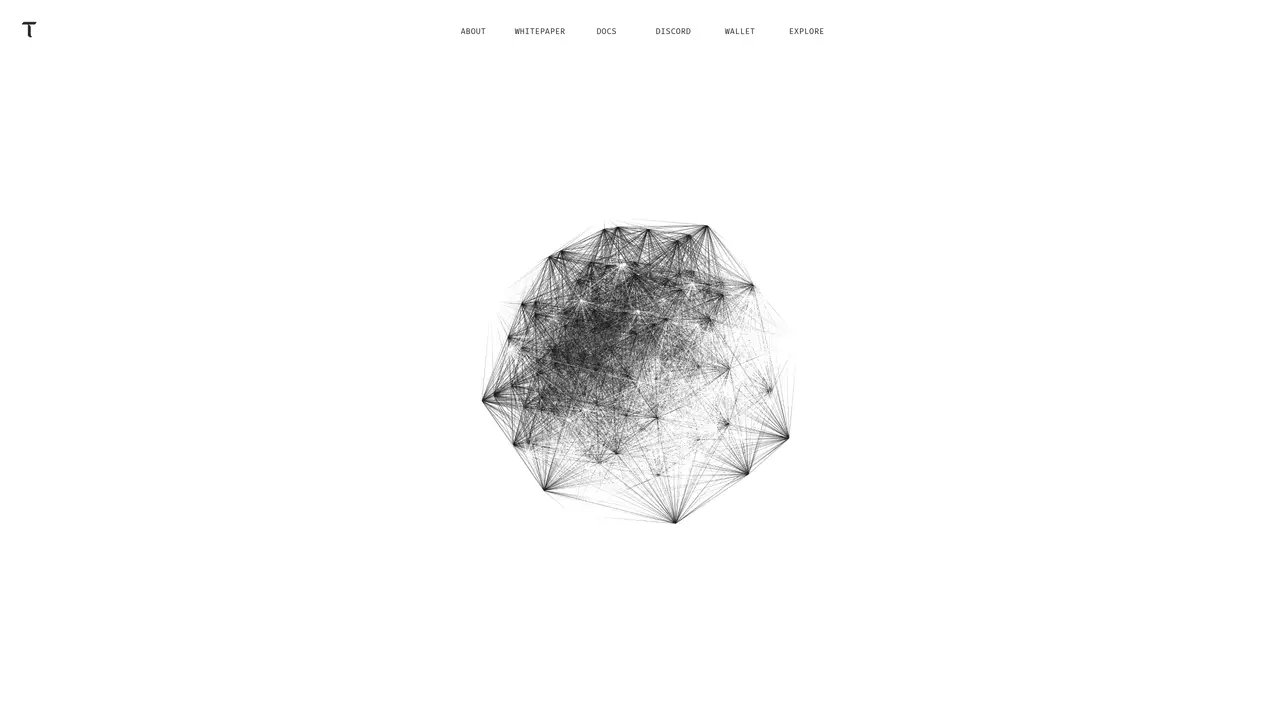
Bittensor is an open network that enables decentralized machine intelligence by allowing specialized subnets to compete in producing useful outputs. Participants—including miners, validators, and developers—earn TAO tokens for contributing computational power, validating work, or deploying models. The system operates as a blockchain-based marketplace where subnets act as autonomous agents, each optimizing for different tasks such as language modeling, image generation, or data analysis. By aligning incentives through token rewards, Bittensor fosters collaboration while maintaining decentralization. It is designed for developers, researchers, and organizations seeking to build or access distributed AI systems without relying on centralized providers. The platform supports open-source contributions and allows anyone to propose or join subnets, making it a flexible environment for experimentation and innovation in AI infrastructure.
Key features
- Decentralized AI subnet competition
- TAO token rewards for contributions
- Open-source foundation model support
- Blockchain-based marketplace for AI services
- Specialized subnets for diverse AI tasks
- Validator and miner participation options
- Incentive-aligned decentralized compute
- Community-driven subnet proposals
- Cross-subnet interoperability
- Permissionless network access
Use cases
- Building decentralized AI models
- Earning TAO through computational contributions
- Accessing distributed AI services without central providers
Pros
- Enables decentralized machine intelligence through a network of independent subnets
- Participants earn TAO tokens for contributing computational power, validating work, or deploying models
- Supports open-source contributions and allows anyone to propose or join subnets
- Operates as a blockchain-based marketplace aligning incentives through token rewards
- Designed for developers, researchers, and organizations building or accessing distributed AI systems
Cons
- Requires technical knowledge to set up wallets, stake tokens, and run subnets
- Decentralized nature may introduce complexity in coordination and governance
- Dependent on network participation and token incentives for sustained operation
Frequently asked questions about Bittensor (TAO)
What is Bittensor and how does it work?
Bittensor is an open network where independent subnets produce digital commodities, and contributors are paid in TAO tokens. It operates as a blockchain-based marketplace where participants can mine, validate, or deploy models.
Who should use Bittensor?
It is designed for developers, researchers, and organizations seeking to build or access decentralized AI systems without relying on centralized providers.
How do I get started with Bittensor?
Users can get started by exploring the Bittensor Python SDK and btcli command line tools, creating a wallet, staking TAO, and participating in mining, validation, or running subnets.
What are subnets in Bittensor?
Subnets are autonomous agents within the network that optimize for different tasks, such as language modeling or image generation, and produce digital commodities.
What tokens are used in Bittensor?
The network uses TAO tokens as the primary medium of exchange for contributions and rewards.
Is Bittensor open-source?
Yes, Bittensor supports open-source contributions and allows anyone to propose or join subnets, fostering a flexible environment for experimentation.