GitHub hosts HunyuanVideo, Tencent's open-source framework for large-scale video generation models, enabling AI-driven video creation.

Terafab
428KMonthly visits
44Popularity
About Terafab
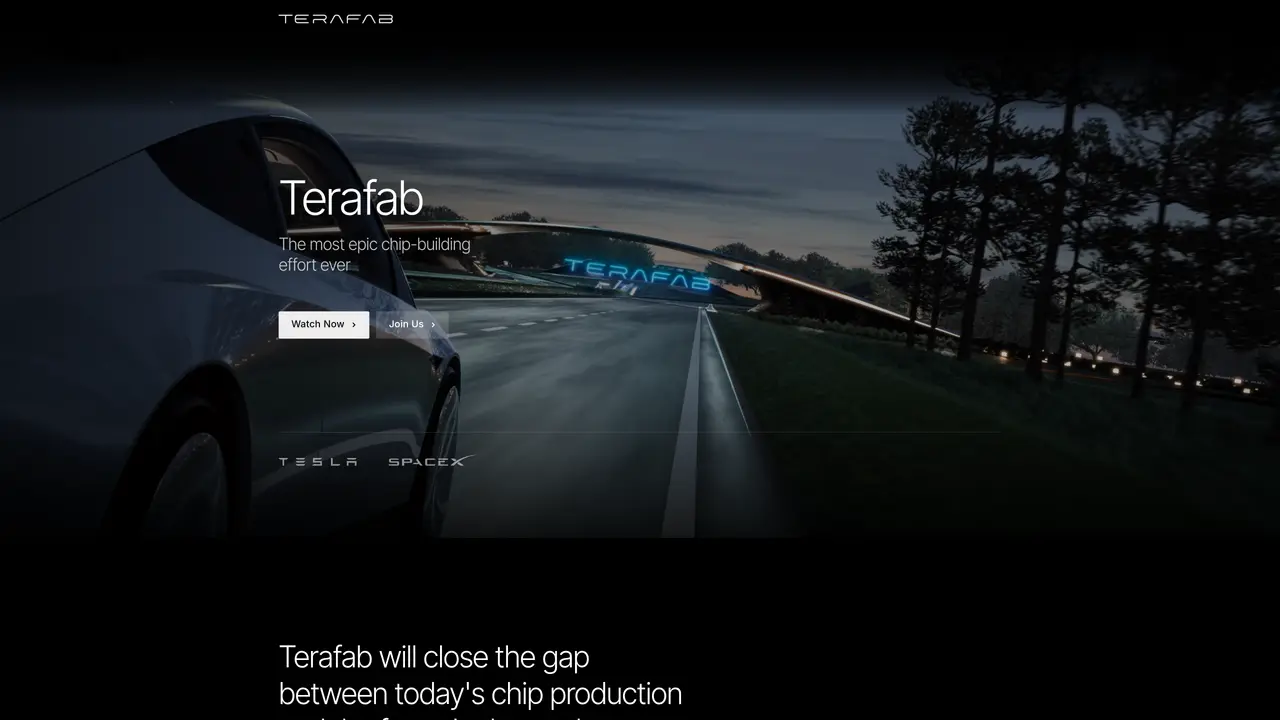
Terafab is a vertically integrated manufacturing program designed to produce AI chips and advanced packages at planetary and orbital scale. It co-locates logic, memory, and packaging within standardized production cells, enabling high-yield throughput and rapid reconfiguration for diverse product generations. The program targets hyperscalers, AI labs, and systems companies needing predictable, high-volume accelerator supply with tight logic–memory coupling, as well as space operators, defense programs, and robotics manufacturers requiring standardized modules. Terafab’s architecture combines standardized robotics for transport, assembly, and inspection with qualification flows that validate electrical performance, thermals, reliability, and mission-specific environmental tolerances. For orbital deployments, it offers launch integration paths that align packaging, vibration, and thermal tolerances with spaceflight requirements, reducing project risk and time-to-orbit. Energy strategy scales with capacity, prioritizing terawatt-class solar paired with efficient industrial cooling to support sustained, multi-year capacity expansions. The program reframes chip supply as a power-and-logistics challenge, offering a credible route to capacity that grows faster than traditional permit cycles for organizations planning multi-year AI rollouts. It engages buyers through engineering intake processes, manufacturability reviews, and pilot lot validations under NDA, with procurement, logistics, and energy provisioning mapped into phased ramps with milestone gates.
Key features
- Co-locates logic, memory, and advanced packaging in standardized production cells
- Standardized robotics for transport, assembly, and inspection
- Qualification flows for electrical, thermal, reliability, and environmental tolerances
- Launch integration paths for orbital deployments
- Terawatt-class solar paired with efficient industrial cooling
- Engineering intake and manufacturability reviews under NDA
- Pilot lot validations to confirm throughput and yields
- Phased ramps with milestone gates for procurement and logistics
Use cases
- High-volume AI accelerator supply for hyperscalers and AI labs
- Orbital compute deployments for space operators and defense programs
- Standardized compute modules for robotics manufacturers
Pros
- Integrates logic, memory, and advanced packaging under one roof for high-yield throughput
- Supports both terrestrial and orbital chip production with standardized modules
- Combines standardized robotics with qualification flows for electrical, thermal, and reliability validation
- Offers launch integration paths aligned with spaceflight requirements for orbital deployments
- Scales energy strategy with terawatt-class solar and efficient industrial cooling
Cons
- Highly specialized infrastructure may limit accessibility for smaller organizations
- Orbital deployment requires alignment with spaceflight constraints and launch schedules
- Multi-year capacity expansions depend on phased ramps and milestone gates
Frequently asked questions about Terafab
What does Terafab do?
Terafab is a vertically integrated manufacturing program that produces AI chips and advanced packages for both Earth and orbital use. It combines logic, memory, and packaging within standardized production cells to enable high-yield throughput and rapid reconfiguration.
Who is Terafab designed for?
The program targets hyperscalers, AI labs, systems companies, space operators, defense programs, and robotics manufacturers needing predictable, high-volume accelerator supply with tight logic–memory coupling.
How does Terafab support orbital chip production?
Terafab offers launch integration paths that align packaging, vibration, and thermal tolerances with spaceflight requirements, reducing project risk and time-to-orbit for orbital deployments.
What is Terafab's energy strategy?
The program scales energy with capacity, prioritizing terawatt-class solar paired with efficient industrial cooling to support sustained, multi-year capacity expansions.
How can organizations engage with Terafab?
Engagement includes engineering intake processes, manufacturability reviews, and pilot lot validations under NDA, with procurement, logistics, and energy provisioning mapped into phased ramps with milestone gates.
Does Terafab support multi-year AI rollouts?
Yes, Terafab reframes chip supply as a power-and-logistics challenge, offering a credible route to capacity that grows faster than traditional permit cycles for organizations planning multi-year AI rollouts.
Terafab Website Engagement
Last Update: 9 days ago
Total Monthly Visits
0
Bounce Rate
0%
Visit Duration (avg)
0.00s
Pages Per Visit
0
Country Rank
0
United States
Global Rank
0
Category Rank
#0
Social Networks & Online Communities
Monthly Traffic
Traffic Sources
Traffic Share By Country
- United States48.9%
- India9.1%
- Germany5.3%
- United Kingdom5%
- Canada2.8%