
Unleash creativity: edit photos, videos, and designs with AI-enhanced tools.

Figma AI
$3/mStarting price
0Popularity
About Figma AI
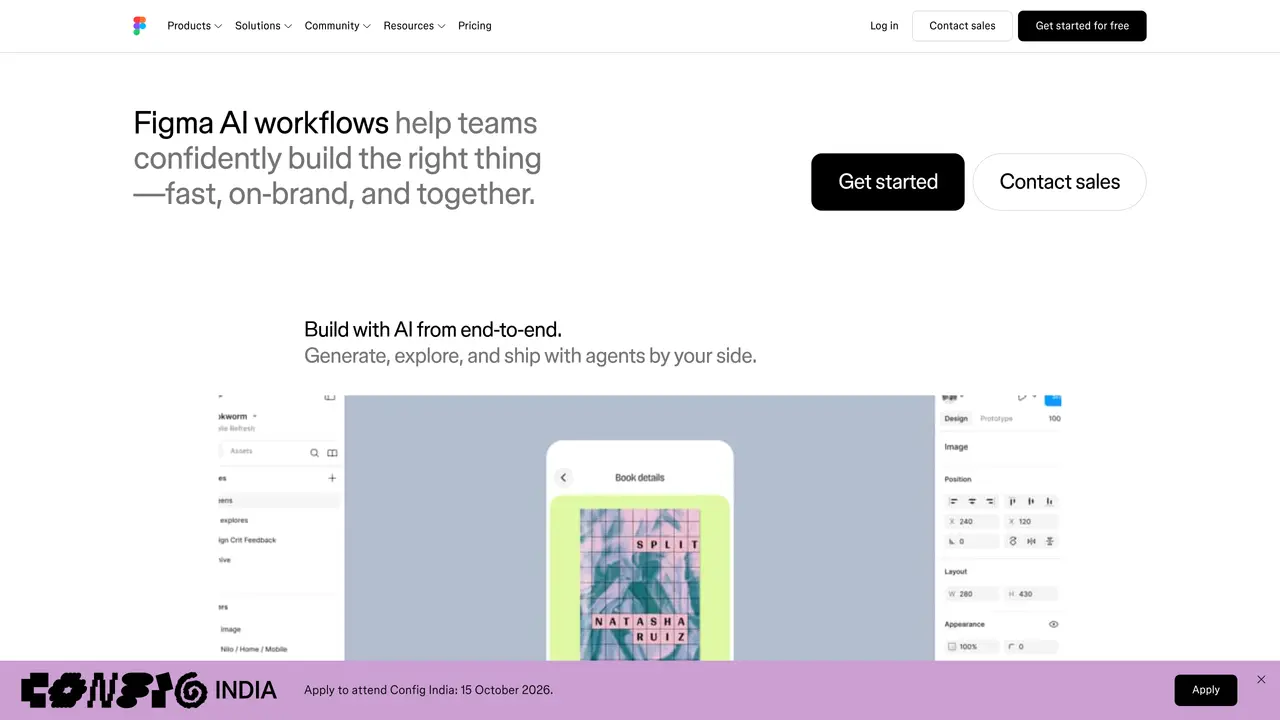
Figma AI revolutionizes the design process, offering a suite of AI-powered features that streamline workflows and enhance creativity. Designed for designers, developers, and teams, it simplifies tasks such as prototyping, layout adjustments, and content generation. By integrating AI into its platform, Figma AI helps users overcome creative blocks and focus on what matters most—designing compelling and innovative products. Key Features: AI-Enhanced Prototyping: Instantly turn static designs into interactive prototypes with a single click, reducing the need for manual connections. Smart Content Generation: Automatically generate and replace text content in design mocks, moving beyond placeholder text to more realistic designs. Visual Search: Upload an image to find similar designs or exact matches created by teammates, facilitating inspiration and collaboration. Layer Management: Automatically rename and organize layers contextually, streamlining project organization and enhancing teamwork.
Key features
- AI-Enhanced Prototyping
- Smart Content Generation
- Visual Search
- Layer Management
- Collaborative Power
- User-Friendly Interface
Use cases
- Design Teams: Utilizing AI features for improved design workflows and faster prototype development.
- Product Managers: Employing the tool to streamline the design handoff process and ensure project timelines are met.
- UX Designers: Leveraging AI to enhance user experience design with realistic content and rapid iteration.
Pros
- Integrates AI agents directly into the design canvas for real-time collaboration and feedback
- Offers flexible AI credit allocation and usage tracking across teams
- Supports end-to-end workflows from design generation to code-backed prototyping and deployment
- Provides reusable custom tools, plugins, and workflows that scale across organizations
- Enables seamless integration with existing codebases and external agentic tools
Cons
- Beta features may lack stability or full functionality for all use cases
- Requires allocation and management of AI credits, which may add operational overhead
- Some advanced AI capabilities are limited to specific products or plans
- Learning curve for teams unfamiliar with agentic workflows or custom tool creation
Figma AI videos
Frequently asked questions about Figma AI
What is Figma AI and what can it do?
Figma AI integrates AI-powered features directly into the Figma platform to help teams generate, explore, and ship designs faster. It includes tools for generating new design directions, creating diagrams, editing images, searching files, and automating routine tasks like renaming layers or replacing placeholder text.
Who is Figma AI designed for?
Figma AI is designed for designers, developers, product managers, and teams who want to streamline their workflows with AI assistance. It supports roles across design, engineering, and product development, enabling collaboration and faster iteration.
How does Figma AI pricing work?
Figma AI uses a credit-based system where teams can purchase AI credits to share across their organization. Credits can be allocated flexibly, with options for pay-as-you-go or subscription models, and visibility into usage across teams or cost centers.
Can Figma AI integrate with other tools or codebases?
Yes, Figma AI can connect to external tools and codebases through features like the MCP server, allowing AI agents to read, reference, and act on designs as part of broader workflows. It also supports integrations with favorite agentic tools.
What are Figma Weave tools and how do they work?
Figma Weave tools are pre-built AI workflows that combine powerful models to generate images, vectors, and other creative assets directly in Figma. Users can choose from a list of workflows to achieve consistent, high-quality outcomes without starting from scratch.
How do I get started with Figma AI?
To get started, users can explore Figma AI features directly within the Figma platform. Teams can purchase AI credits for their organization and begin using tools like the Figma agent, Weave workflows, or generative plugins to enhance their design process.